Introduction
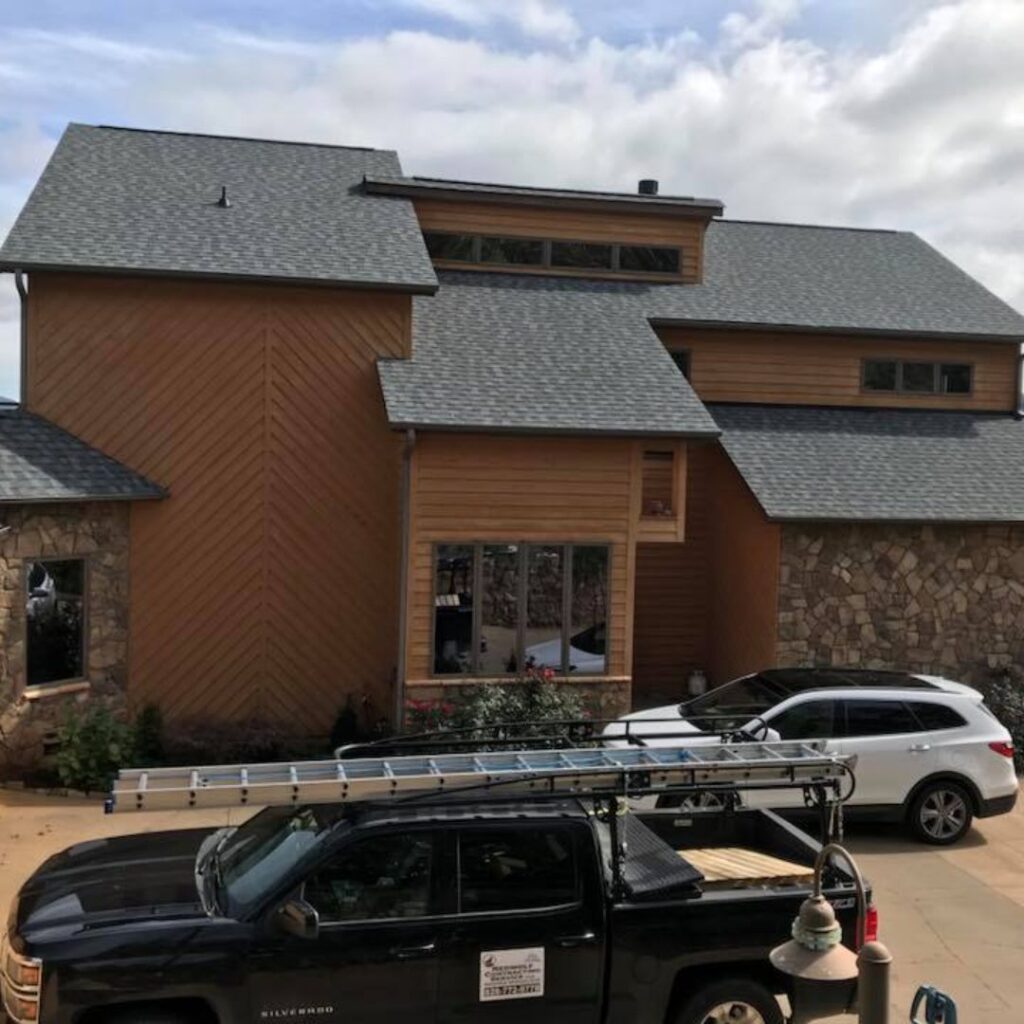
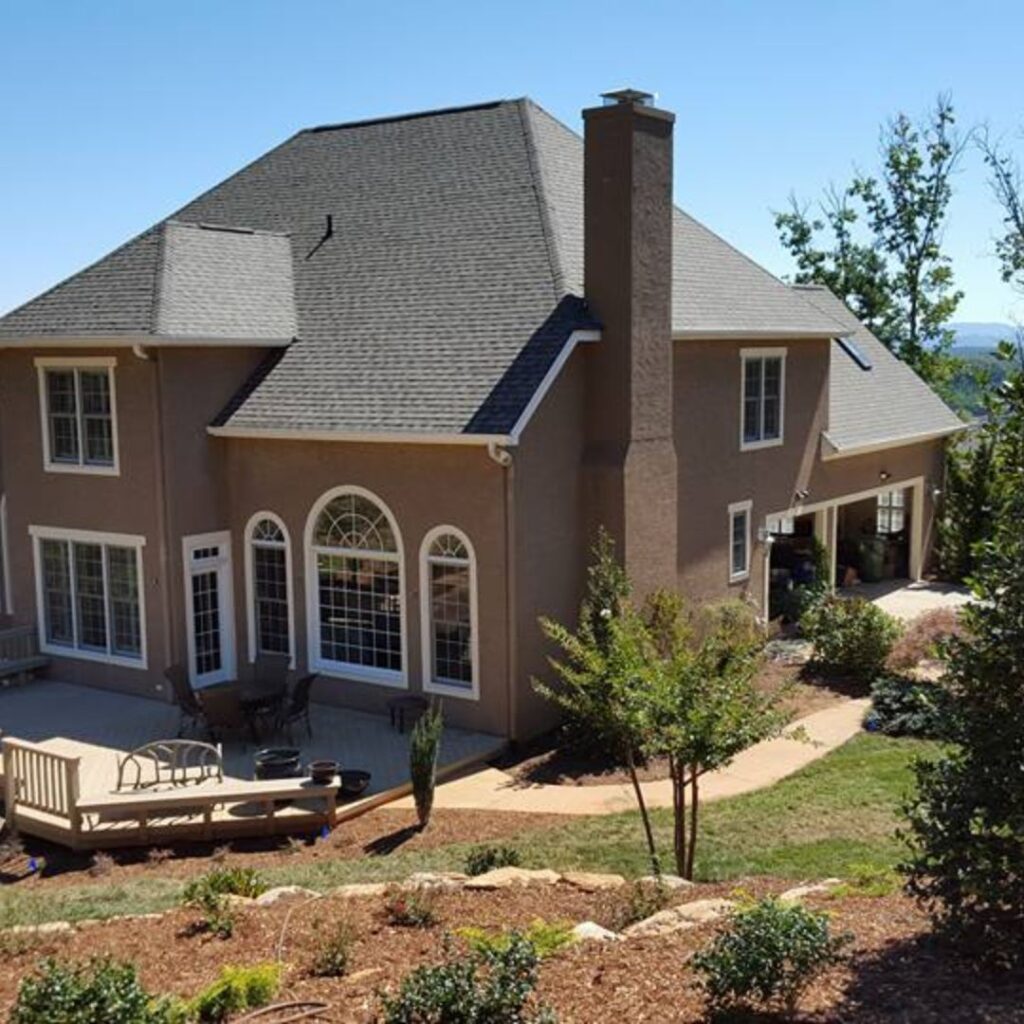
When it comes to protecting your home, the roof is your first line of defense. But choosing the right roofing material is more than just a practical decision—it’s also about enhancing your home’s aesthetic appeal, ensuring long-term durability, and managing costs effectively. With a wide range of materials available, from classic asphalt shingles to eco-friendly metal roofs, making an informed choice can seem daunting. This comprehensive guide will walk you through the key factors to consider, helping you select the roofing material that best suits your home’s needs, your budget, and your style. Whether you’re building a new home or replacing an old roof, understanding the pros and cons of each option is crucial to making a decision you’ll be satisfied with for years to come.
Understanding Your Roofing Needs
Choosing the right roofing materials begins with a clear understanding of your specific roofing needs. Here’s how to assess and prioritize what matters most for your home:
Evaluate Your Home’s Architecture and Style
- Consider the design and architecture of your home. The roofing material should complement the overall look and style of your house. For example, traditional homes often pair well with asphalt shingles, while modern designs might benefit from metal or flat roofing systems.
Assess Your Climate and Weather Conditions
- Your local climate plays a crucial role in determining the most suitable roofing materials. For instance, if you live in an area with heavy rainfall or snowfall, materials like metal or clay tiles may offer better durability and weather resistance. Conversely, areas with high temperatures might benefit from materials with excellent heat resistance.
Determine Your Budget
- Roofing materials vary significantly in cost. Set a budget that includes not only the cost of materials but also installation and maintenance. Asphalt shingles are often more budget-friendly, while high-end options like slate or copper come with a higher price tag but offer enhanced longevity and aesthetics.
Consider Durability and Maintenance
- Different materials offer varying levels of durability and maintenance requirements. For instance, metal roofing is known for its longevity and low maintenance, while wood shingles might require regular upkeep to prevent issues like rot. Think about how much maintenance you’re willing to handle and how long you want your roof to last.
Factor in Energy Efficiency
- Some roofing materials are more energy-efficient than others, helping to regulate indoor temperatures and reduce heating and cooling costs. Reflective materials like metal or cool roofs can help keep your home cooler in hot climates, while insulation options may be necessary for better energy efficiency.
Assess Environmental Impact
- If sustainability is important to you, consider the environmental impact of your roofing choices. Materials like recycled metal or sustainably sourced wood can offer eco-friendly options while still meeting your roofing needs.
Types of Roofing Materials
When choosing roofing materials, it’s essential to consider their durability, cost, and aesthetic appeal. Here’s a breakdown of common roofing materials to help you make an informed decision:
1. Asphalt Shingles
- Durability: Generally lasts 15-30 years.
- Cost: Affordable, with a range of options from basic to premium.
- Aesthetics: Available in various colors and styles; easy to match with most home designs.
2. Metal Roofing
- Durability: Can last 40-70 years; highly resistant to weather.
- Cost: Higher initial cost, but low maintenance.
- Aesthetics: Modern and sleek look; available in panels or shingles, and in various colors.
3. Wood Shingles and Shakes
- Durability: Lasts 20-40 years, depending on maintenance and type of wood.
- Cost: More expensive due to natural materials and craftsmanship.
- Aesthetics: Offers a natural, rustic look; changes color with age.
4. Clay Tiles
- Durability: Extremely durable; can last over 50 years.
- Cost: High initial cost; however, long lifespan may offset this.
- Aesthetics: Traditional Mediterranean appearance; available in various shapes and colors.
5. Concrete Tiles
- Durability: Very durable; lasts 30-50 years.
- Cost: Typically less expensive than clay tiles but more expensive than asphalt.
- Aesthetics: Versatile in appearance; can mimic other materials like wood or clay.
6. Slate Roofing
- Durability: One of the longest-lasting options; can last over 100 years.
- Cost: Very high initial cost; long-term value due to durability.
- Aesthetics: Elegant and natural look; available in various shades.
7. Synthetic Roofing Materials
- Durability: Varies depending on the type; generally designed to mimic natural materials with added durability.
- Cost: Can be comparable to or less than natural materials.
- Aesthetics: Designed to replicate the look of materials like slate or wood; often lighter and easier to install.
8. Rubber Roofing
- Durability: Typically lasts 30-50 years.
- Cost: Mid-range cost; less expensive than some high-end options.
- Aesthetics: Modern look; often used in flat roofing applications.
Cost Considerations
When choosing roofing materials for your home, cost is a crucial factor to weigh alongside durability and aesthetics. Here are some key cost considerations to help you make an informed decision:
Material Costs
- Asphalt Shingles: Generally the most affordable option, asphalt shingles provide a cost-effective solution for homeowners looking for a budget-friendly roofing material.
- Metal Roofing: Although more expensive than asphalt, metal roofing offers long-term savings due to its durability and energy efficiency.
- Clay and Concrete Tiles: These materials are higher in cost but offer a unique look and exceptional longevity, making them a worthwhile investment for some homeowners.
- Wood Shingles and Shakes: The cost of wood roofing can vary widely depending on the type of wood and quality, with maintenance requirements influencing overall expenses.
- Slate Roofing: Slate is one of the most expensive roofing options due to its natural beauty and exceptional durability, making it a premium choice for long-term investment.
Installation Costs
- Labor Costs: Installation costs can vary based on the complexity of the roof, local labor rates, and the type of material chosen. For example, metal roofing and slate often require specialized installation techniques, potentially increasing labor costs.
- Roof Pitch and Accessibility: Steeper roofs and those that are difficult to access can increase installation costs. Ensure to factor in these elements when estimating your budget.
Long-Term Savings
- Energy Efficiency: Some roofing materials, like metal and certain types of tiles, can enhance your home’s energy efficiency, leading to potential savings on heating and cooling costs.
- Maintenance Requirements: Consider the long-term maintenance costs associated with each roofing material. For instance, while asphalt shingles may be cheaper initially, they may require more frequent replacements compared to more durable materials like metal or slate.
Resale Value
- Impact on Property Value: High-quality roofing materials can enhance your home’s curb appeal and potentially increase its resale value. Invest in materials that complement your home’s style and overall value.
Warranty and Lifespan
- Material Warranties: Evaluate the warranties provided by manufacturers for different roofing materials. A longer warranty often reflects greater durability and can affect overall costs over the roof’s lifespan.
Aesthetic Appeal
When choosing roofing materials for your home, the aesthetic appeal is as important as durability and cost. The right roof can enhance your home’s curb appeal and complement its architectural style. Here’s what to consider for achieving the best visual impact:
Material Options and Their Look:
- Asphalt Shingles: Available in a variety of colors and styles, including those that mimic the look of wood or slate. They offer flexibility to match different home designs.
- Metal Roofing: Known for its sleek and modern appearance, metal roofing can be finished in various colors and textures, from matte to high gloss.
- Wood Shingles and Shakes: Provide a natural, rustic look that can add charm and character, especially to traditional or cottage-style homes.
- Slate: Offers a classic, elegant look with a unique texture that can elevate the appearance of high-end homes.
Color Coordination:
- Choose a color that complements your home’s exterior walls, trim, and landscaping. Lighter colors can make a home appear larger, while darker shades add depth and sophistication.
- Consider how the roof color will blend with seasonal changes and how it might affect your home’s overall aesthetic throughout the year.
Architectural Style Compatibility:
- Ensure the roofing material aligns with your home’s architectural style. For instance, Spanish tile roofing pairs well with Mediterranean-style homes, while standing seam metal roofing suits contemporary designs.
Texture and Pattern:
- The texture of the roofing material can add dimension and interest to your home. For example, dimensional shingles create a layered effect, while metal panels offer a sleek, streamlined look.
Long-Term Visual Appeal:
- Consider the long-term maintenance and how the material will age. Some materials, like slate or metal, can retain their appearance over decades, while others may weather and require periodic upkeep.
Durability Factors
When selecting roofing materials for your home, durability is a crucial consideration to ensure long-term performance and protection. Here are the key factors that influence the durability of roofing materials:
1. Material Composition
- Asphalt Shingles: Known for their durability, they are designed to withstand various weather conditions, including high winds and heavy rain. Look for shingles with a high impact resistance rating for added durability.
- Metal Roofing: Offers excellent durability, withstanding extreme weather conditions like hail, heavy snow, and high winds. It is also resistant to fire and corrosion.
- Clay and Concrete Tiles: Highly durable and resistant to extreme temperatures, these materials can last for decades with proper maintenance. They are also resistant to fire and insects.
- Slate: One of the most durable roofing materials, slate can last over a century with minimal maintenance. It is resistant to fire, water, and insects.
2. Weather Resistance
- Wind Resistance: Roofing materials should be rated for high wind speeds to prevent damage during storms. Check for wind ratings specified by the manufacturer and local building codes.
- Rain and Snow Resistance: Ensure that the roofing material can effectively shed water and resist ice dams. Materials like metal and properly installed asphalt shingles offer superior water resistance.
- Sun and Heat Resistance: Look for materials with high solar reflectance to reduce heat absorption and minimize the risk of damage from prolonged exposure to the sun.
3. Impact Resistance
- Hail Resistance: Choose roofing materials that are tested and rated for impact resistance. Impact-resistant materials can prevent dents, cracks, and other damage caused by hailstones.
- Foot Traffic: Some roofing materials are more resilient to foot traffic, which is important if maintenance requires walking on the roof.
4. Maintenance Requirements
- Longevity: Consider the lifespan of the material and the frequency of maintenance required. Materials like metal and slate have longer lifespans and generally require less frequent upkeep compared to asphalt shingles.
- Ease of Repair: Evaluate how easy it is to repair the roofing material if damage occurs. Some materials may require specialized repair techniques or professional assistance.
5. Environmental Factors
- Climate Suitability: Select materials suited to your local climate conditions. For example, metal roofs are ideal for regions with heavy snowfall, while clay tiles are well-suited for hot and dry climates.
- Thermal Performance: Consider materials that offer good insulation properties to enhance energy efficiency and reduce heating and cooling costs.
Environmental and Energy Efficiency Considerations
When selecting roofing materials, it’s crucial to evaluate their environmental impact and energy efficiency. Here’s what to consider:
1. Energy Efficiency
- Reflectivity and Insulation: Roofing materials with high reflectivity, such as metal or certain types of shingles, can help reduce the heat absorbed by your home, leading to lower cooling costs. Materials like cool roofs are designed to reflect more sunlight and absorb less heat.
- Insulation Properties: Good insulation is key to maintaining indoor temperatures. Look for roofing materials that provide adequate insulation to minimize heat loss in winter and keep your home cool in summer. Options like spray foam and reflective underlayments can enhance your roof’s thermal performance.
2. Environmental Impact
- Sustainable Materials: Choose roofing materials that are made from sustainable or recycled materials. For example, metal roofs are often made from recycled materials and can be recycled at the end of their life, while asphalt shingles may contain recycled content.
- Longevity and Durability: Opting for durable roofing materials can reduce the frequency of replacements, lowering the environmental impact associated with manufacturing and disposal. Materials like slate or metal, with long lifespans, contribute less to landfill waste.
- Local Sourcing: Supporting local manufacturers and suppliers can reduce the carbon footprint associated with transporting roofing materials over long distances.
3. Certifications and Labels
- Energy Star: Look for roofing materials with the Energy Star label, which indicates that the product meets specific energy efficiency standards.
- LEED Certification: If you’re aiming for a more sustainable home, consider materials that contribute to LEED (Leadership in Energy and Environmental Design) certification points, which can enhance your home’s overall sustainability profile.
4. Recycling and Disposal
- End-of-Life Options: Consider how roofing materials can be recycled or disposed of at the end of their life. Some materials, like metal and certain tiles, can be recycled, while others may require special disposal methods.
Making the Final Decision
Choosing the right roofing materials is a crucial decision that impacts not only the appearance of your home but also its durability, energy efficiency, and overall value. Here’s how you can make a well-informed choice:
1. Assess Your Priorities
- Durability: Determine how long you expect your roof to last and what level of maintenance you’re willing to commit to.
- Cost: Consider your budget for both initial installation and long-term maintenance.
- Aesthetics: Think about how the roofing material will complement the style of your home and neighborhood.
2. Consider Local Climate and Weather Conditions
- Temperature Extremes: If you live in an area with significant temperature fluctuations, select materials that can handle these changes without deteriorating.
- Rain and Snow: Choose materials that are effective at shedding water and snow to prevent leaks and water damage.
3. Evaluate Energy Efficiency
- Insulation Properties: Some materials offer better insulation, helping to keep your home cooler in the summer and warmer in the winter.
- Reflectivity: Look for materials with high reflectivity to reduce cooling costs and enhance energy efficiency.
4. Understand Long-Term Costs
- Maintenance: Some roofing materials require more frequent maintenance, which can add to the overall cost.
- Lifespan: Consider the expected lifespan of the material and how it aligns with your long-term financial plans.
5. Seek Professional Advice
- Consultation: Reach out to roofing professionals for recommendations based on your specific needs and preferences.
- Quotes and Estimates: Obtain detailed quotes from multiple contractors to compare costs and services.
6. Review Local Building Codes and Regulations
- Compliance: Ensure that the roofing materials you choose meet local building codes and regulations to avoid potential issues during installation or future inspections.
7. Make Your Decision
- Balance Factors: Weigh all the factors—durability, cost, aesthetics, and energy efficiency—to choose the material that best fits your needs and preferences.
- Finalize the Choice: Once you’ve considered all aspects, make your final decision and proceed with the installation process with confidence.
By taking these steps, you can make an informed decision that ensures your roofing choice aligns with your home’s needs and enhances its overall value and performance.